
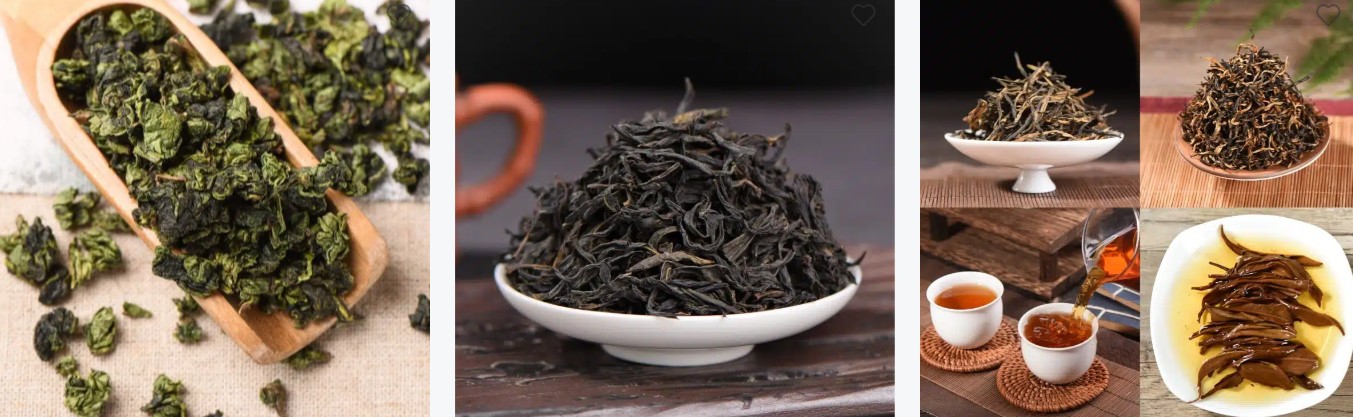
Tea lovers around the world search for unique flavors. Aged oolong tea stands out as one of the most special varieties you can find. This traditional Chinese tea goes through a careful aging process that can last for years or even decades. The result? A smooth, complex flavor that gets better with time.
When you buy Chinese loose-leaf oolong tea, you’re getting more than just a beverage. You’re experiencing centuries of tea-making tradition. But what exactly makes aged oolong different from regular oolong? And how do you know you’re getting the real deal?
This guide walks you through everything you need to know about aged oolong tea. You’ll learn about its unique characteristics, health benefits, and how to choose quality tea that’s worth your money.
What Is Aged Oolong Tea?
Aged oolong tea comes from the Camellia sinensis plant, just like all true teas. But it undergoes a special treatment that sets it apart.
Fresh oolong tea gets partially oxidized during production. It sits somewhere between green tea and black tea in terms of oxidation. Then comes the aging part. Tea masters store the leaves in carefully controlled conditions for years. Some aged oolongs date back 20, 30, or even 50 years.
During aging, the tea slowly transforms. The flavors mellow out. Harsh notes disappear. What remains is a smooth, rich taste with layers of complexity. Think of it like aging wine or cheese. Time works its magic.
The process requires skill and patience. Tea makers must monitor humidity, temperature, and air flow. They often re-roast the tea periodically to prevent spoilage. This attention to detail costs time and money. That’s why aged oolong tea typically costs more than fresh varieties.
Traditional aged oolongs come from Taiwan and Fujian province in China. These regions have perfect conditions for tea aging. The climate stays relatively stable. Tea masters pass down their knowledge through generations.
Health Benefits You Should Know
Aged oolong tea offers several health advantages. The aging process changes the tea’s chemical composition in interesting ways.
First, aged oolong is gentler on your stomach than fresh tea. The long aging process reduces caffeine levels naturally. It also breaks down some compounds that can irritate sensitive stomachs. Many people who can’t handle regular tea find aged oolong much easier to drink.
The tea contains antioxidants that support overall health. These compounds help fight free radicals in your body. Research suggests regular tea drinking may support heart health and boost metabolism. While aged oolong isn’t a magic cure, it fits nicely into a healthy lifestyle.
Traditional Chinese medicine values aged oolong for its warming properties. Practitioners believe it helps digestion and promotes calmness. Modern tea drinkers report feeling relaxed after drinking it. The lower caffeine content means you can enjoy a cup in the evening without worrying about sleep.
The tea also helps with hydration. Unlike coffee, which can dehydrate you, tea provides fluids your body needs. The pleasant taste makes it easy to drink throughout the day.
Some studies suggest oolong tea may help with weight management. It appears to boost metabolism slightly. But don’t expect miracles. Tea works best as part of an overall healthy diet and exercise routine.
How Aged Oolong Tastes Different
The flavor profile of aged oolong tea sets it apart from other teas. If you’ve only tried fresh oolong, prepare for something completely different.
Fresh oolong often tastes floral and light. It can have grassy notes or fruity undertones. Aged oolong moves in another direction entirely.
Expect deep, smooth flavors with no bitterness. Many aged oolongs taste woody or earthy. You might notice hints of dried fruit, roasted nuts, or even chocolate. Some have a slight sweetness that lingers after each sip.
The texture changes too. Aged oolong feels thicker and more substantial in your mouth. It coats your palate in a pleasant way. Tea experts call this “body” or “mouthfeel.”
Each steeping reveals new flavors. Good aged oolong can be steeped five to ten times. The taste evolves with each infusion. Early steeps might taste stronger. Later steeps become lighter and more delicate.
The tea’s color also differs from fresh varieties. Where fresh oolong might brew light green or golden, aged oolong produces a deep amber or reddish-brown color. The darker shade comes from years of oxidation and roasting.
Temperature affects the taste significantly. Brewing aged oolong with boiling water brings out bold flavors. Slightly cooler water produces a gentler cup. Experiment to find what you prefer.
Choosing Quality When You Buy Chinese Loose-Leaf Oolong Tea
Shopping for aged oolong requires some knowledge. Not all aged teas are created equal. Here’s what to look for.
Start with the source. Reputable sellers matter more than anything else. Purechinatea specializes in authentic Chinese teas, including aged oolongs. The company sources directly from tea-producing regions in China, ensuring quality and authenticity. They provide detailed information about each tea’s origin and aging process.
Check the tea’s appearance. Quality aged oolong leaves look whole and intact. They shouldn’t be broken into tiny pieces. The leaves should have a consistent color, usually dark brown or black. Avoid tea with lots of stems or dust.
Ask about the aging process. Legitimate sellers provide details about how long the tea was aged and where it was stored. They might mention specific years or vintages. If a seller can’t answer basic questions about their tea, shop elsewhere.
Price offers a clue about quality. Real aged oolong costs more than fresh tea. If you see suspiciously cheap “aged” oolong, it’s probably not the real thing. Expect to pay premium prices for authentic aged varieties. The extra cost reflects years of careful storage and the expertise required to age tea properly.
Look for transparency about the tea’s origin. Good sellers specify whether their oolong comes from Taiwan, Fujian, or another region. They might mention specific mountains or tea gardens. This information helps you understand what you’re buying.
Consider trying samples before committing to large purchases. Many quality tea shops offer small amounts so you can test the tea first. This approach saves money if you discover you don’t enjoy a particular aged oolong.
Read reviews from other customers. Their experiences can guide your decision. Look for comments about flavor, authenticity, and customer service. Sites like Purechinatea often feature customer feedback that helps new buyers make informed choices.
Proper Brewing Methods
Brewing aged oolong properly makes a huge difference in taste. The right technique brings out the tea’s best qualities.
Use more tea leaves than you would for other varieties. A good starting point is about one tablespoon per six ounces of water. You can adjust based on how strong you like your tea.
Water temperature matters. Bring water to a full boil, then use it immediately. Aged oolong can handle very hot water without becoming bitter. The high temperature helps extract the deep flavors developed during aging.
Rinse the leaves before the first steep. Pour hot water over them, then immediately pour it out. This quick rinse wakes up the leaves and removes any dust. It also helps the leaves unfurl for better steeping.
The first infusion should last about 30 seconds. Pour the tea into your cup, then add more hot water for the second steep. Increase steeping time gradually with each infusion. Later steeps might last one or two minutes.
Use a small teapot or gaiwan if possible. These traditional vessels work perfectly for multiple infusions. They help you control the brewing process more precisely than a large pot.
Don’t add milk or sugar. These additions mask the subtle flavors you paid good money to enjoy. Drink aged oolong straight to appreciate its true character.
Pay attention to how the tea evolves across multiple steeps. Make notes about which infusion you enjoyed most. This helps you refine your brewing technique over time.
Storage Tips for Long-Term Quality
If you buy aged oolong in quantity, proper storage keeps it fresh. Even aged tea can deteriorate if stored poorly.
Keep the tea away from light. Sunlight and bright artificial light can damage tea leaves. Store your oolong in a dark cupboard or pantry.
Control moisture carefully. Too much humidity causes mold. Too little makes the tea dry out and lose flavor. Aim for moderate humidity levels. A sealed container helps maintain the right balance.
Avoid strong odors. Tea absorbs smells from its surroundings easily. Don’t store it near coffee, spices, or cleaning products. The tea will pick up those scents and lose its pure flavor.
Use airtight containers made from neutral materials. Ceramic, glass, or food-grade metal work well. Avoid plastic, which can impart unwanted flavors. Make sure the container seals tightly to keep air out.
Room temperature works fine for storage. You don’t need to refrigerate aged oolong. In fact, refrigeration can introduce moisture problems. A cool, dry cupboard provides ideal conditions.
Consider buying in smaller quantities if you drink tea slowly. This ensures you always have fresh-tasting tea. Even properly stored aged oolong tastes best within a year or two of purchase.
Why Choose Purechinatea for Your Tea Needs
Finding a reliable source for aged oolong tea makes all the difference. Purechinatea offers an excellent selection of authentic Chinese teas, including premium aged oolongs. The company works directly with tea producers in China, cutting out middlemen and ensuring fair prices.
You can explore their full collection at https://purechinatea.com/. The website provides detailed descriptions of each tea, including origin information and tasting notes. This transparency helps you make informed buying decisions.
Customer service sets quality tea sellers apart. Good companies answer questions promptly and honestly. They help you choose teas that match your preferences and brewing setup. They stand behind their products with fair return policies.
Educational resources add value too. The best tea sellers teach you about tea culture and brewing methods. They might offer guides, videos, or blog posts. This information helps you get the most from your purchase.
Common Mistakes to Avoid
New aged oolong drinkers often make predictable errors. Learning from others’ mistakes saves you time and money.
Don’t expect aged oolong to taste like fresh oolong. They’re completely different experiences. Approach aged varieties with an open mind. Let the tea surprise you instead of comparing it to something else.
Avoid brewing aged oolong like regular tea. It needs more leaves and different steeping times. Following green tea or black tea guidelines produces disappointing results. Take time to learn the proper method.
Don’t buy aged oolong based on price alone. The cheapest option usually disappoints. The most expensive isn’t always the best either. Look for the sweet spot where quality and value meet.
Resist the urge to hoard expensive tea. Buying more than you can drink in a reasonable time wastes money. Tea does have a shelf life, even aged varieties. Start small and expand your collection gradually.
Don’t ignore your own preferences. If you don’t enjoy a particular aged oolong, that’s okay. Everyone’s taste differs. Try different varieties until you find ones you love.
The Verdict: Is Aged Oolong Tea Worth It?
Aged oolong tea offers a unique experience you can’t get from regular tea. The smooth, complex flavors justify the higher price for tea enthusiasts. The health benefits add extra value.
If you’re curious about premium Chinese teas, aged oolong makes an excellent choice. It provides a gentle introduction to high-quality teas without overwhelming bitterness or astringency. The multiple steeping capability means each purchase goes further than you might expect.
When you buy Chinese loose-leaf oolong tea, you’re investing in quality and tradition. Choose reputable sellers who care about authenticity. Take time to learn proper brewing methods. Store your tea carefully to maintain freshness.
Aged oolong isn’t for everyone. If you prefer light, floral teas, you might not enjoy the deep, earthy notes. But if you appreciate complex flavors and don’t mind paying for quality, aged oolong delivers tremendous value.
Start with smaller quantities to test different varieties. Pay attention to what you enjoy. Build your collection around teas that truly satisfy you. This approach ensures you get the most pleasure from every cup.
The world of aged oolong offers endless exploration. Each tea tells a story of patience, skill, and tradition. Every sip connects you to centuries of Chinese tea culture. That’s worth something in our fast-paced modern world.