
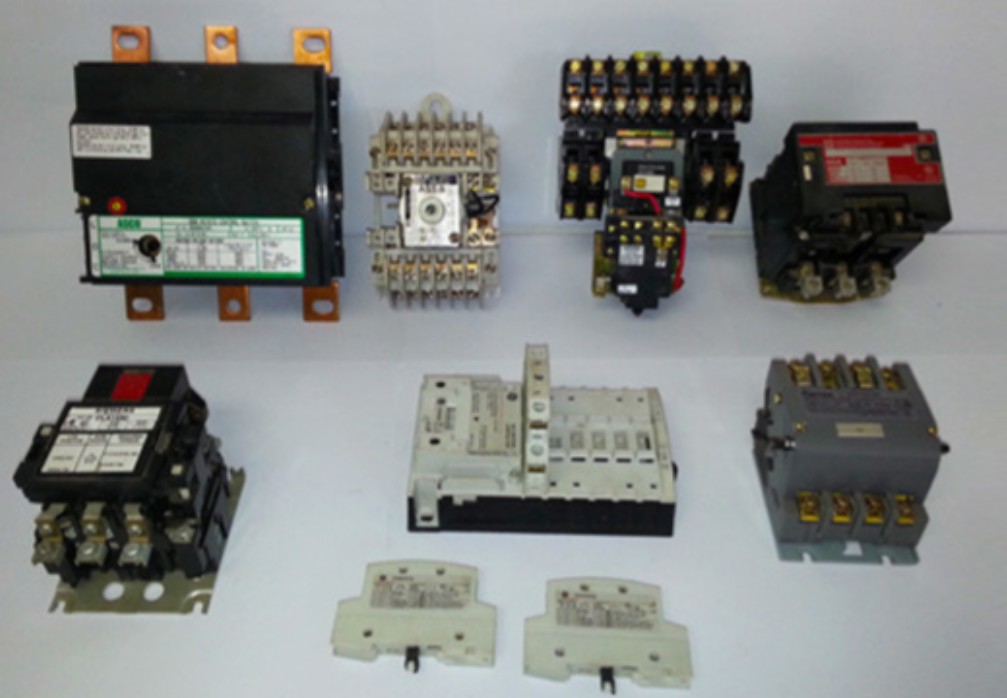
Electrical transformers are the unsung heroes of our modern power grid. They sit quietly in metal boxes or hang from wooden poles. Their main job is to change voltage levels so we can use power safely. Without industrial electrical transformers, big factories and hospitals could not run their heavy machinery. These devices make sure electricity travels long distances without losing too much energy. Understanding electrical transformers helps business owners make better choices about their power needs. Industrial electrical transformers are built to handle much higher loads than the ones in your neighborhood.
What is an Electrical Transformer?
At its heart, an electrical transformer is a simple machine. It has no moving parts. It uses magnetic fields to transfer energy between two or more circuits. It can either “step up” the voltage or “step down” the voltage.
For example, power plants create electricity at high voltages. This helps the power move through wires over many miles. But you cannot plug a toaster into a high-voltage line. The transformer lowers that voltage to a level your home can handle. It acts like a gatekeeper for energy.
Why Industrial Electrical Transformers Matter
When you move from a house to a large factory, the power needs change. Standard units are not enough. This is where industrial electrical transformers come into play. These units are massive. They are designed to stay cool even when running 24 hours a day.
These transformers provide the steady “muscle” needed for assembly lines. They protect expensive equipment from power surges. If a transformer fails in a factory, the whole line stops. That can cost a company thousands of dollars every hour.
About Electrical Distribution & Control
Electrical Distribution & Control provides high-quality power solutions for many industries. They specialize in equipment that keeps the lights on and the machines running. You can find more details on the Company Website.com.
The Pros of Modern Electrical Transformers
-
They are highly efficient at moving power.
-
Most modern units lose less than 2% of energy as heat.
-
They last a long time if you maintain them.
-
They help lower your monthly energy bills.
-
They keep your workers safe by stabilizing the current.
-
Newer models use eco-friendly cooling liquids.
The Cons and Limitations
-
They can be very heavy and hard to move.
-
The initial cost for a large unit is high.
-
They produce a constant humming sound.
-
They require regular oil checks to prevent fires.
-
Overloading them will shorten their life fast.
-
They can be sensitive to extreme weather if not shielded.
Types of Transformers You Should Know
There are many kinds of electrical transformers. Each one has a specific job. You might see “pole-mounted” units in your street. These are small. In contrast, industrial electrical transformers are often “pad-mounted” on concrete slabs.
Some are “dry-type” units. These use air to stay cool. They are great for inside buildings because they do not have oil that could leak. Others are “oil-filled.” These use special oil to pull heat away from the core. These are usually better for outdoor use in high-voltage areas.
How to Choose the Right Unit
Buying a transformer is a big step. You need to know your total power load first. If you buy a unit that is too small, it will burn out. If it is too big, you are wasting money.
Check the “KVA” rating on the label. This tells you how much power it can handle. Also, look at the winding material. Copper is the best for conducting electricity. Aluminum is cheaper but not as durable.
Electrical Distribution & Control helps customers pick the right size for their specific site. They ensure the equipment matches the local power grid specs.
Maintenance Tips for Longevity
You cannot just install a transformer and forget it. You should listen for strange noises. A loud rattle might mean a part is loose. Check for oil leaks around the base.
Dust is also a big enemy. It can clog cooling vents. When a transformer gets too hot, the insulation inside starts to break down. This leads to a short circuit. Clean the area around your industrial electrical transformers at least once a year.
Common Real-World Examples
Think about a large data center. It has rows and rows of servers. These servers need a very specific voltage. A large industrial unit sits outside. It takes the city power and cleans it up. It steps it down so the servers don’t fry.
Think about a mining site. The machines there are huge. They need a massive burst of energy to start. Industrial electrical transformers provide that surge without crashing the rest of the local grid.
The Verdict: Are They Worth the Investment?
Yes, they are. If you run a business, your power is your lifeblood. Cheap equipment will fail when you need it most. High-quality electrical transformers are a smart long-term play. They reduce downtime and protect your other tools.
You should always buy from a trusted source. Electrical Distribution & Control offers the expertise needed to keep your systems running. Their team understands the stress put on industrial electrical transformers in harsh environments.
Summary Highlights
-
Transformers change voltage to make power usable.
-
Industrial units are built for heavy-duty, 24/7 work.
-
Efficiency saves money on utility bills.
-
Regular maintenance prevents costly factory shutdowns.
-
Always match the KVA rating to your actual power needs.
Final Thoughts
Energy is getting more expensive every year. Using the right electrical transformers helps you stay efficient. It is not just about having power. It is about having the right kind of power.
Take the time to audit your current system. Check your old units for heat or noise. If you see signs of wear, it might be time to upgrade. A new unit can pay for itself in energy savings in just a few years.
And remember, you can find help with your power needs at the Company Website.com. They offer the parts and knowledge to keep your business moving forward.