
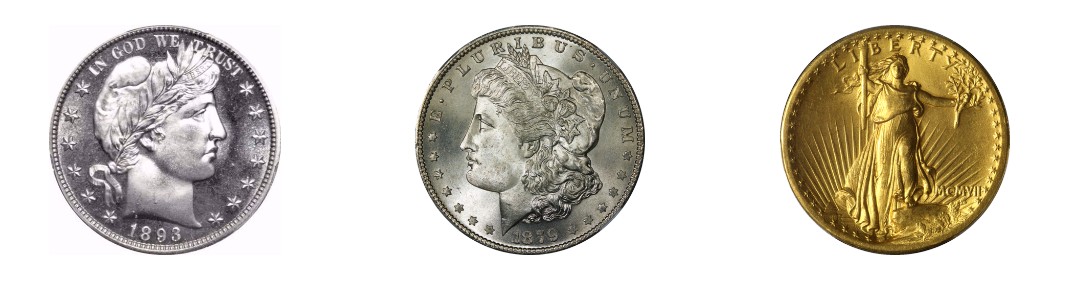
Gold has fascinated people for thousands of years. It’s been used as money, jewelry, and a store of value. Today, many investors and collectors turn their attention to us gold coins as a way to own precious metals with historical significance. But what makes these coins special? And why do so many people want to buy gold coins from America’s rich numismatic history? The answer goes beyond just owning gold. These coins represent American heritage, craftsmanship, and financial security. They’re tangible assets you can hold in your hand. Unlike stocks or digital currencies, gold coins have survived economic crashes, wars, and political upheaval. For over a century, collectors have prized American gold coins for their beauty and lasting value. Whether you’re new to coin collecting or looking to expand your portfolio, understanding these coins helps you make smart choices.
Why US Gold Coins Hold Special Value
American gold coins aren’t just chunks of precious metal. They tell stories about our nation’s past. The first US gold coins appeared in 1795. Back then, gold was the backbone of American currency. People used these coins for everyday purchases and large transactions. Today, these same coins are worth far more than their gold content. Collectors value them for their rarity, condition, and historical importance. Some coins were minted in limited numbers. Others survived fires, melts, and economic depressions. Each coin carries a piece of American history. The designs feature iconic symbols like Lady Liberty, eagles, and Native American chiefs. These images reflect the values and artistry of their time. Mints in Philadelphia, San Francisco, Denver, and other cities produced millions of gold coins. But many were melted down when the US left the gold standard in 1933. This makes surviving examples even more desirable. Condition matters too. A coin that’s been well-preserved over 100 years commands premium prices. Grading services evaluate coins on a 70-point scale. Higher grades mean better condition and higher value.
Understanding Different Types of American Gold Coins
The United States has produced several gold coin series over its history. Each type has unique characteristics that appeal to different collectors. The Gold Eagle series started in 1986 and continues today. These modern bullion coins contain one ounce of pure gold. They’re popular with investors who want exposure to gold prices. The American Buffalo gold coin debuted in 2006. It features the classic Indian Head design from the old nickel. This coin is 24-karat gold, making it purer than Gold Eagles. Historical gold coins include the Liberty Head series, which ran from 1838 to 1907. These coins came in denominations from $2.50 to $20. The $20 Double Eagle is especially famous. Saint-Gaudens designed a stunning version that many consider America’s most beautiful coin. Indian Head gold coins circulated from 1907 to 1933. They feature a distinctive incuse design where the images are pressed into the coin rather than raised up. Each series has different sizes too. Quarter Eagles held $2.50 in gold. Half Eagles contained $5 worth. Eagles had $10, and Double Eagles held $20. Today, these denominations refer to the coins’ historical face value, not their actual worth.
How to Evaluate Gold Coin Authenticity
Buying gold coins requires caution. The market has its share of counterfeits and altered coins. Learning to spot genuine coins protects your investment. Weight is the first clue. Real gold coins have precise weights that counterfeiters struggle to match. A $20 gold piece should weigh exactly 33.436 grams. Even a small difference suggests problems. Dimensions matter too. Genuine coins have specific diameters and thicknesses. Measure carefully with calipers. Sound testing helps experienced collectors. Gold has a distinctive ring when struck. Fake coins made from other metals sound different. But this method takes practice and shouldn’t be your only verification. Professional grading services offer the best protection. Companies like PCGS and NGC authenticate and grade coins. They seal verified coins in tamper-proof holders. These “slabs” give buyers confidence. Yes, grading costs money. But it’s worth it for valuable coins. The cost typically ranges from $20 to $100 per coin depending on value and service level. Reputable dealers also provide guarantees. They stand behind their coins’ authenticity. Park Avenue Numismatics is one such dealer that offers authenticated coins with proper documentation. The company has built its reputation on selling genuine numismatic items and providing expert guidance to collectors. Working with established dealers reduces your risk significantly.
Smart Strategies When You Buy Gold Coins
Shopping for gold coins requires homework. Don’t rush into purchases without research. Start by learning about the coins that interest you. Read price guides and auction results. This shows you what coins actually sell for, not just asking prices. Market conditions affect gold coin values. When gold prices rise, bullion coins become more expensive. Rare coins are less tied to daily gold fluctuations. Their numismatic premium depends on collector demand. Timing your purchase can save money. Watch the gold market for dips if buying modern bullion. For rare coins, patience helps you find better deals. Not every seller prices coins correctly. Sometimes you’ll find undervalued pieces. Buy the coin, not the holder. Some collectors focus too much on the grading company’s label. They forget to look at the actual coin. Learn to evaluate coins yourself. This helps you spot good value and avoid overpaying. Condition matters, but so does eye appeal. Two coins with the same grade can look different. One might have better color or fewer marks in prominent places. Choose coins that look attractive to you. You’ll enjoy owning them more. Budget appropriately. Start with coins you can afford. Build your collection gradually. It’s better to own a few quality coins than many mediocre ones. Consider both bullion and numismatic value. Bullion coins track gold prices closely. Numismatic coins offer potential appreciation based on rarity and collector interest. A balanced approach gives you exposure to both markets.
The Role of Trusted Dealers in Gold Coin Purchases
Finding reliable dealers makes all the difference. The right dealer educates you and offers fair prices. They don’t pressure you into hasty decisions. Look for dealers with long track records. Park Avenue Numismatics has served collectors for years with transparent pricing and expert knowledge. Established dealers value their reputations. They won’t risk their business on shady practices. Ask dealers questions about their coins. Good dealers explain details about each piece. They discuss grading, rarity, and market conditions. If a dealer can’t answer basic questions, shop elsewhere. Pricing should be competitive but not suspiciously low. Coins priced well below market value often have problems. They might be cleaned, damaged, or fake. Compare prices across multiple dealers. This shows you the normal range for specific coins. Return policies matter too. Reputable dealers let you return coins within a reasonable time. This gives you a chance to have coins authenticated independently. Read the terms carefully before buying. Membership in professional organizations is a good sign. Groups like the American Numismatic Association and Professional Numismatists Guild have ethical standards. Members must follow these rules or face expulsion. Online reviews provide insights into dealer practices. Check multiple sources for balanced perspectives. A few negative reviews are normal. Look for patterns in complaints or praise.
Factors That Influence Gold Coin Prices
Multiple factors determine what you’ll pay for gold coins. Understanding these helps you recognize fair prices. The spot price of gold sets the baseline for bullion coins. This changes every day based on global markets. Dealers add a premium over spot price. This covers their costs and profit margin. Premiums vary by coin type and dealer. Rarity drives prices for collectible coins. Coins with low mintages or high survival rates command premiums. Some dates are dramatically scarcer than others. Research which dates are common and which are rare. Grade has huge impact on value. The difference between a coin in Good condition and Mint State can be thousands of dollars. Higher grades become exponentially more expensive. A common date in MS-65 might cost ten times more than the same coin in MS-63. Historical significance adds value. Coins from important eras or with interesting backstories appeal to collectors. First-year issues and last-year issues often carry premiums. Coins from closed mints like Carson City are popular. Demand fluctuates based on collector trends. Some series go in and out of fashion. Currently, early gold coins from the 1790s and 1800s are very popular. Modern bullion like Gold Eagles attracts investors more than collectors. Market conditions affect everything. During economic uncertainty, gold coin prices typically rise. People seek safe havens for their money. When stock markets boom, interest in gold coins may decrease slightly.
Storing and Protecting Your Gold Coin Investment
Once you buy gold coins, protecting them becomes essential. Improper storage can damage coins and reduce their value. Never handle coins with bare hands. Oils from your skin can cause spots and discoloration over time. Use cotton gloves when examining coins. Hold them by the edges, never touching the faces. Store coins in proper holders. Flips made from inert plastic protect coins without damage. Hard plastic cases offer more protection for valuable pieces. Avoid PVC holders. They release chemicals that can harm coins over time. Look for holders labeled “archival safe” or “coin safe.” Climate control matters. Store coins in a stable environment with moderate temperature and humidity. Extreme conditions can cause problems. Very dry air might not hurt gold, but high humidity can lead to spotting. Keep coins away from household chemicals. Fumes from cleaning products, paint, or rubber bands can damage coins. Store them in a separate area from these items. Security is important too. Don’t advertise that you own valuable coins. Consider a safe deposit box at a bank for your most valuable pieces. Home safes work for smaller collections. Make sure they’re fireproof and bolted down. Insurance provides financial protection. Document your collection with photos and descriptions. Keep purchase receipts and grading certificates. This documentation helps if you need to file a claim. Some homeowners policies cover coins, but coverage limits may be low. Specialized coin insurance offers better protection for serious collections.
Long-Term Value and Investment Potential
Gold coins can be good investments, but they’re not get-rich-quick schemes. Long-term thinking serves you better than speculation. Historical data shows gold maintains purchasing power over time. An ounce of gold in 1920 bought a quality suit. The same ounce today still buys a quality suit. Gold preserves wealth rather than creating spectacular returns. Rare coins offer different dynamics. Their values depend on collector demand, not just gold content. Some rare coins have appreciated significantly over decades. Others have stayed flat or even declined. Diversification makes sense. Don’t put all your money into gold coins. They should be one part of a balanced portfolio. Most experts suggest 5-10% of your assets in precious metals. This provides protection without overexposure. Liquidity varies by coin type. Modern bullion coins sell easily. Dealers always need them and pricing is straightforward. Rare coins take more time to sell. You might need to find the right buyer who appreciates that specific coin. Tax considerations affect your returns. In the US, gold coins are collectibles for tax purposes. Long-term capital gains on collectibles face higher rates than stocks. Consult a tax professional about your specific situation. Enjoy the hobby aspect too. Coins shouldn’t just be financial instruments. The history, artistry, and tangible nature of coins provide satisfaction beyond monetary returns. Many collectors find joy in building sets or specializing in particular series.
Common Mistakes to Avoid
New coin buyers often make preventable errors. Learning from others’ mistakes saves you money and frustration. Don’t buy cleaned coins. Cleaning ruins a coin’s natural surface and destroys value. Coins should have original surfaces, even if that means some toning or dirt. Avoid impulsive purchases. Take time to research before buying. Sleep on major decisions. The coin will likely still be available tomorrow, and if not, another will come along. Don’t chase every new release. Mints produce countless special editions and variants. Not all will hold value. Stick to classic series with proven demand. Stop focusing only on price. The cheapest option often has problems. A slightly more expensive coin in better condition provides better long-term value. Don’t ignore the details. Small differences in dates, mint marks, or varieties can mean huge value differences. Learn these nuances for the coins you collect. Avoid leverage or loans for coin purchases. Only buy what you can afford with available funds. Coins are not liquid enough to support debt. Don’t expect overnight profits. Coin values grow slowly over years or decades. If someone promises quick returns, walk away. Finally, don’t collect in isolation. Join clubs, attend shows, and talk to other collectors. The numismatic community offers valuable knowledge and friendship.
Building a Focused Collection Strategy
Successful collectors often specialize rather than buying randomly. Focus creates expertise and better purchasing decisions. Choose a series that interests you. Maybe you love the designs of Saint-Gaudens Double Eagles. Or perhaps Indian Head gold coins appeal to you. Pick something that excites you personally. Set realistic goals for your collection. A complete set of $20 gold pieces from 1850-1933 requires serious money. Maybe start with a single coin from each decade. You can always expand later. Study your chosen area deeply. Read books about your series. Learn the key dates and varieties. Understand grading standards for those specific coins. This knowledge helps you recognize good deals. Track your collection in a spreadsheet or software. Note what you own, what you paid, and what you still need. This keeps you organized and prevents duplicate purchases. Network with other collectors in your specialty. They can point you toward good dealers and alert you to available coins. Trading with other collectors sometimes yields better deals than dealer purchases. Set a budget and stick to it. It’s easy to overspend when you find a coin you want. Discipline keeps your finances healthy and your hobby enjoyable. Consider joining organizations focused on your specialty. Groups exist for gold coin collectors, early American coins, and more. Membership provides resources and connections.
Final Thoughts on Gold Coin Ownership
Owning gold coins combines investment, history, and art. These small pieces of metal represent American heritage and financial security. They’ve survived depressions, wars, and political changes. When you hold a century-old gold coin, you’re touching history. You can imagine the people who used it and the transactions it facilitated. That connection to the past gives coins meaning beyond their gold content. For investors, gold coins offer portfolio diversification. They’re real assets you control completely. No company can go bankrupt and take your coins with it. No hacker can steal them from a digital wallet. For collectors, the hobby provides endless learning opportunities. You can study history, economics, artistry, and metallurgy. Every coin has a story to discover. Park Avenue Numismatics and other reputable dealers help both investors and collectors find suitable coins. They provide authenticity, expertise, and fair pricing. Working with established dealers makes the buying process smoother and safer. Start small if you’re new to gold coins. Buy one quality piece and learn everything about it. Hold it, examine it, and research its history. This hands-on experience teaches you more than reading ever could. As you gain knowledge, expand your collection gradually. Over time, you’ll develop an eye for quality and value. You’ll recognize good deals and avoid poor ones. The journey itself becomes rewarding. Whether your goal is financial security, historical connection, or simple enjoyment, gold coins deliver. They’re one of humanity’s oldest stores of value. They’ll likely remain valuable for generations to come. Your collection can become a legacy passed to children or grandchildren. These coins will still be around long after we’re gone, carrying their stories forward into the future.