
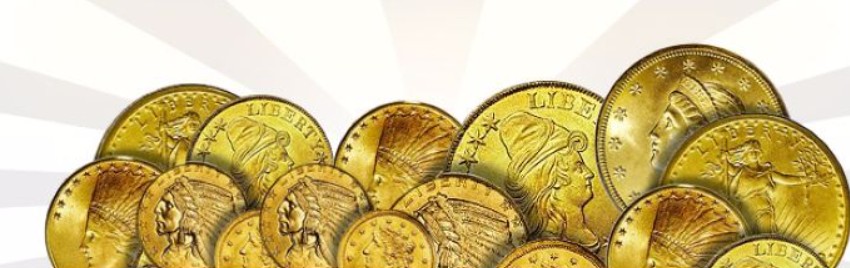
Investing in precious metals has been a trusted strategy for centuries. Many people wonder if rare silver bullion still holds value in today’s digital economy. The answer is yes. Silver remains one of the most accessible precious metals for new investors. Unlike gold, which can cost thousands per ounce, silver offers an affordable entry point. You can start small and build your collection over time. When you buy rare silver coins, you’re not just purchasing metal. You’re investing in tangible assets that have stood the test of time. Physical silver protects against inflation and economic uncertainty. It’s something you can hold, store, and pass down to future generations.
Understanding Silver Bullion Basics
Silver bullion comes in different forms. Bars, rounds, and coins are the most common options. Each type serves different investment goals. Bars offer the lowest premium over spot price. They’re perfect if you want maximum silver content for your money. Rounds look like coins but lack legal tender status. Coins carry government backing and often feature beautiful designs. The weight matters too. You’ll find silver in one-ounce pieces all the way up to 100-ounce bars. New investors usually start with one-ounce items. They’re easier to sell when you need liquidity. The purity standard for investment-grade silver is .999 fine. This means 99.9% pure silver content. Some premium items reach .9999 purity. Always check the purity stamp before making a purchase.
Why Park Avenue Numismatics Stands Out
Park Avenue Numismatics has built a reputation in the precious metals industry. This company specializes in rare coins, bullion, and collectible pieces. They offer expert guidance for both new and experienced collectors. Their team understands that buying silver is a significant decision. Finding a reliable dealer makes all the difference. Some companies push high-premium items that don’t match your goals. Others lack the expertise to answer technical questions. Park Avenue Numismatics takes a different approach. They focus on education first and sales second. This philosophy helps customers make informed choices. You get honest advice about which products fit your budget and objectives. The company maintains competitive pricing without sacrificing quality. They source authentic products and verify every piece. This attention to detail protects you from counterfeits and overpriced items.
The Historical Value of Silver
Silver has been money for thousands of years. Ancient civilizations used it for trade and commerce. The Roman denarius contained silver. Chinese dynasties minted silver coins. American colonists relied on Spanish silver dollars. This long history proves silver’s enduring worth. Governments can’t print more silver like they print paper money. The supply is limited by mining production. Industrial demand keeps growing as technology advances. Solar panels need silver. Electronics require it. Medical devices use it for antibacterial properties. This dual role as money and industrial metal creates unique value. When economic times get tough, people turn to silver. When industries boom, they need more silver. You benefit either way as an investor.
How to Start Your Silver Collection
Starting your silver journey doesn’t require huge amounts of money. Begin with a clear budget in mind. Decide how much you can invest without affecting daily expenses. Never use money you need for bills or emergencies. Silver is a long-term investment that works best when you don’t need to sell quickly. Research different products before buying. Government-issued coins like American Eagles and Canadian Maples are popular choices. They offer guaranteed weight and purity. Generic rounds cost less but still contain the same silver content. Bars work well for larger purchases. Consider your storage situation too. Small coins fit in a safe deposit box. Larger bars need more secure storage space. Start small and learn as you go. Buy a few pieces and get comfortable with the process. Then expand your collection based on what you’ve learned.
Different Types of Silver Products
American Silver Eagles remain the most recognized silver coin worldwide. The US Mint produces them with one troy ounce of .999 fine silver. The design features Lady Liberty on one side and an eagle on the other. These coins carry a higher premium than generic silver. But that premium holds value when you sell. Canadian Silver Maple Leafs offer even higher purity at .9999 fine. They feature intricate designs that deter counterfeiting. Austrian Philharmonics and Australian Kangaroos also enjoy strong demand. Generic rounds from private mints cost less. They contain the same silver but lack government backing. Silver bars range from one ounce to 100 ounces or more. Large bars have lower premiums per ounce. But they’re harder to sell in small amounts. You can’t break a 100-ounce bar into ten-ounce pieces. Think about liquidity when choosing sizes. Smaller denominations sell faster when you need cash.
The Role of Rare Silver Coins
Rare silver coins occupy a special category in collecting. These pieces combine silver content with numismatic value. Age, condition, and rarity determine their worth. A Morgan silver dollar from 1893-S is worth far more than its silver content. Only 100,000 were minted. Collectors pay thousands for nice examples. Rare coins offer different benefits than bullion. Bullion follows silver spot prices closely. Rare coins can appreciate regardless of silver prices. Their collectible value drives demand. But this market requires more knowledge. You need to understand grading, authenticity, and market trends. Park Avenue Numismatics can guide you through rare coin purchases. They help you avoid common mistakes that new collectors make. Starting with bullion makes sense for most investors. Once you understand the market, rare coins become an interesting addition.
Storage and Security Considerations
Protecting your silver investment is crucial. Home storage works for small collections. A quality safe bolted to the floor provides basic security. Keep it hidden and tell few people about it. Don’t advertise your precious metals ownership. Safe deposit boxes at banks offer another option. They’re secure but limit access to banking hours. Some investors use both methods. Keep immediate liquidity at home and larger holdings in the bank. Professional vault storage is available through specialized companies. They charge annual fees based on value or weight. Insurance becomes important as your collection grows. Homeowner’s policies often have low limits on precious metals. You might need a rider or separate policy. Document everything with photos and receipts. Store this documentation separately from the silver itself. If something happens, you’ll have proof for insurance claims.
Understanding Silver Market Prices
Silver prices change constantly during market hours. The spot price reflects current wholesale costs. You’ll always pay above spot when buying. This difference is called the premium. Premiums cover minting, distribution, and dealer markup. They vary by product type and market conditions. Government coins have higher premiums than generic rounds. Rare collectible pieces have even higher premiums. When selling, you receive less than spot price. Dealers need to make a profit on both sides of transactions. This spread is normal in precious metals. The key is minimizing premiums when buying and maximizing returns when selling. Working with reputable dealers like Park Avenue Numismatics helps. They maintain fair pricing in both directions. Check current spot prices before making purchases. Several websites show real-time silver prices. Compare dealer prices to spot to understand premiums. Higher premiums aren’t always bad if the product holds that premium value.
When to Buy and Sell Silver
Timing the silver market perfectly is impossible. Even experts get it wrong regularly. A better approach is dollar-cost averaging. Buy a set amount regularly regardless of price. This strategy smooths out price fluctuations over time. You buy more when prices are low and less when they’re high. Some investors wait for price dips to make larger purchases. This works if you have patience and extra cash available. Avoid emotional decisions based on fear or greed. Silver prices can be volatile short-term. Focus on your long-term goals instead. Selling requires different considerations. Only sell when you need the money or find better opportunities. Don’t panic during price drops. History shows silver recovers over time. Keep some silver permanently as insurance against economic troubles. Sell portions if you need funds or want to rebalance your portfolio. The best time to sell is when you’ve met your financial goals.
Benefits of Physical Silver Ownership
Physical silver offers unique advantages over paper assets. You can hold it in your hand. No counterparty risk exists. Banks can’t freeze it. Governments can’t confiscate it easily. It doesn’t depend on any company’s performance. These qualities made silver valuable for thousands of years. Modern investors often overlook these benefits. They focus on stocks and digital assets. But portfolio diversification requires different asset types. Silver doesn’t correlate perfectly with stock markets. When stocks crash, precious metals often rise. This negative correlation provides protection. Silver also hedges against inflation. As paper money loses purchasing power, silver maintains value. The metal itself doesn’t change. One ounce today equals one ounce tomorrow. Only its price in dollars fluctuates. During currency crises, silver becomes actual money again. People trade it for goods and services. This happened throughout history during economic collapses.
Common Mistakes New Investors Make
New silver investors often overpay for their first purchases. They buy from expensive TV commercials or high-pressure dealers. Research several dealers before committing money. Compare prices and reputations carefully. Another mistake is buying only rare coins without understanding them. Start with bullion to learn the market first. Some people store silver improperly and damage their investment. Silver tarnishes when exposed to sulfur in the air. Use proper storage materials designed for precious metals. Don’t clean tarnished silver yourself. You might reduce its value. Professional conservation services handle cleaning safely. Selling too quickly during price dips is another common error. Silver investing requires patience and long-term thinking. Give your investment time to grow. Some investors also neglect to document their purchases. Keep all receipts and certificates of authenticity. This documentation proves ownership and helps with insurance claims.
Building a Balanced Precious Metals Portfolio
Silver shouldn’t be your only investment. A balanced portfolio includes different asset types. Most financial advisors suggest 5-10% in precious metals. This provides protection without over-concentration. Within precious metals, consider mixing silver and gold. Gold offers stability and extreme wealth preservation. Silver provides affordability and industrial demand growth. Some investors include platinum and palladium too. These metals have strong industrial uses. The exact mix depends on your goals and risk tolerance. Younger investors can take more risks. Retirement accounts might need more stability. Review your portfolio annually and rebalance as needed. Market movements change your allocation percentages over time. Selling some winners and buying some losers maintains your target allocation. This disciplined approach prevents emotional decision-making. Work with professionals who understand precious metals. Park Avenue Numismatics offers consultation services for portfolio planning.
The Future Outlook for Silver
Silver’s future looks promising for several reasons. Industrial demand continues growing globally. Green energy technologies need significant silver quantities. Electric vehicles use more silver than traditional cars. 5G networks require silver in their infrastructure. These trends aren’t temporary. They represent long-term technological shifts. Meanwhile, mining production struggles to keep pace. Many silver mines are aging. Finding new deposits takes years. Extracting silver from ore becomes more expensive. These supply constraints support higher prices long-term. Investment demand fluctuates but remains strong overall. More people understand the benefits of tangible assets. Currency devaluation concerns drive precious metals purchases. Central banks worldwide continue expanding money supplies. This monetary inflation historically benefits silver prices. Nobody knows exact future prices. But the fundamental case for silver remains solid.
Final Thoughts on Silver Investment
Investing in rare silver bullion makes sense for many people. It offers tangible value in an increasingly digital world. The metal has proven itself over thousands of years. Modern applications ensure ongoing relevance. Starting your silver journey requires research and patience. Work with reputable dealers who prioritize education. Park Avenue Numismatics provides the expertise new investors need. They help you avoid costly mistakes and build a solid foundation. Remember that silver is a long-term investment. Short-term price swings shouldn’t concern you. Focus on accumulating quality products at fair prices. Store them securely and document everything properly. Diversify your holdings across different product types. Mix bullion with some collectible pieces as you gain experience. Most importantly, only invest money you can afford to set aside. Silver shines brightest when you don’t need to sell it quickly. Build your collection steadily and enjoy the journey. Physical precious metals provide peace of mind that paper assets never can.