
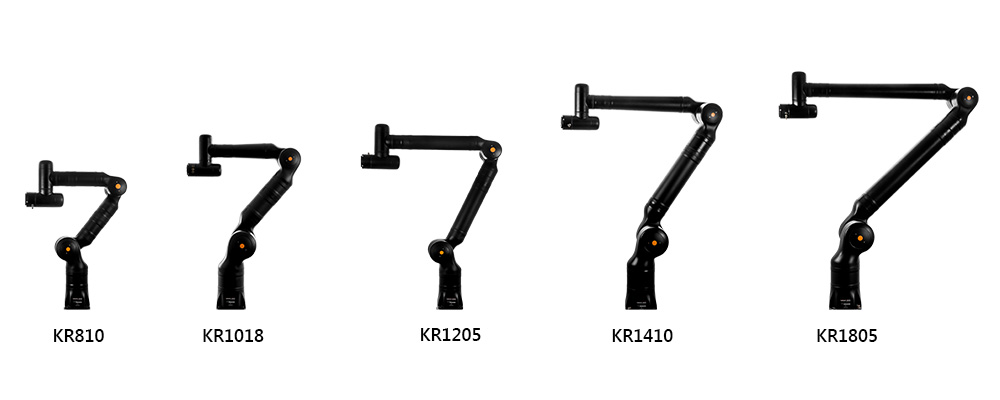
In today’s fast-evolving industrial landscape, automation is no longer limited to massive robotic systems locked behind safety cages. A new generation of robots—known as Cobots (collaborative robots)—is changing the way factories operate. Designed to work safely alongside humans, Cobots are helping companies increase productivity, improve safety, and maintain consistent quality across manufacturing processes.
As industries adopt smarter technologies, components such as Linear Guide, Roller Bearing, Ball bearing, and advanced motion systems have become essential to ensuring smooth robotic performance. Companies like SLS Bearings are widely recognized for supporting modern automation solutions with reliable mechanical components and engineering expertise.
What Are Cobots and Why Are They Important?
Cobots are collaborative robots specifically designed to interact directly with human workers in shared workspaces. Unlike traditional industrial robots that operate in isolated environments, Cobots are equipped with sensors, intelligent programming, and safety features that allow them to assist humans rather than replace them.
These robots can handle repetitive, dangerous, or precision-based tasks while human workers focus on supervision, problem-solving, and complex operations. This combination improves both productivity and workplace safety.
Industries such as automotive manufacturing, electronics assembly, food processing, and packaging are increasingly integrating Cobots into their production lines to stay competitive.
Key Components That Power Cobots
The efficiency of Cobots depends heavily on the quality of the mechanical and motion components used in their design. Several critical elements ensure accurate movement and durability.
Linear Guide Systems for Precision Movement
A Linear Guide is a mechanical component that allows smooth and precise linear motion. In Cobots, linear guides help robotic arms move along controlled paths with minimal friction. This precision is essential for applications such as assembly, pick-and-place operations, and packaging tasks.
High-quality linear guides ensure stable performance, reduce wear, and maintain accuracy even in demanding industrial environments.
Bearings for Smooth Rotation
Bearings play a vital role in enabling robotic joints and moving parts to rotate efficiently.
-
Ball bearing components reduce friction between rotating parts, allowing Cobots to move quickly and accurately.
-
Roller Bearing designs support heavier loads and provide excellent durability for robotic joints that handle significant mechanical stress.
Together, these bearings improve motion stability and extend the lifespan of robotic systems.
Supporting Industrial Components in Cobot Systems
While Cobots focus on automation, many supporting components within manufacturing environments help maintain their performance and reliability.
Pneumatic and Hydraulic Systems
Automation systems often rely on fluid power technologies. Pneumatic Valves regulate compressed air used in automated tools and gripping systems, ensuring smooth operation during production.
Similarly, a Hydraulic Pump may be used in heavy industrial applications where greater force is required. Hydraulic systems can support lifting, pressing, and material-handling tasks connected to automated processes.
Maintenance and Assembly Materials
Reliable performance also depends on proper maintenance and assembly solutions.
-
Degreaser products are commonly used to clean machine parts and remove oil or contaminants that could affect robotic performance.
-
Gasket Sealer materials ensure leak-proof seals in mechanical assemblies, preventing fluid leakage in pneumatic or hydraulic systems connected to automated equipment.
These materials help maintain system efficiency and prevent unexpected downtime in automated production lines.
Benefits of Using Cobots in Manufacturing
The growing popularity of Cobots is largely due to the many advantages they offer modern businesses.
1. Improved Workplace Safety
Cobots are designed with built-in safety sensors and force-limiting features. This allows them to stop automatically if they encounter an obstacle or human worker, significantly reducing workplace accidents.
2. Increased Productivity
Cobots can operate continuously and perform repetitive tasks with high accuracy. This helps manufacturers increase output while maintaining consistent product quality.
3. Flexible Automation
Unlike traditional robots, Cobots are relatively easy to program and redeploy. Businesses can adapt them for different tasks without complex reconfiguration, making them ideal for small and medium-sized manufacturers.
4. Reduced Operational Costs
By automating repetitive tasks, Cobots allow companies to optimize labor resources while reducing production errors and material waste.
Why Companies Trust SLS Bearings for Automation Support
When implementing advanced robotic systems, manufacturers need reliable suppliers for mechanical components and engineering solutions. SLS Bearings has built a strong reputation in the industrial sector for delivering high-quality motion and mechanical products that support automation technologies.
From precision bearings to advanced motion components used in robotic systems, SLS Bearings provides solutions that help ensure reliability, efficiency, and long-term performance. Their expertise makes them a trusted partner for businesses investing in modern automation and collaborative robotics.
The Future of Cobots in Industry
The future of Cobots is incredibly promising. As artificial intelligence, machine vision, and smart sensors continue to evolve, Cobots will become even more capable and adaptable. They will likely play a major role in the development of smart factories and Industry 4.0 environments.
In the coming years, more businesses will adopt collaborative robotics to stay competitive in global markets. With the right combination of high-quality components—such as Linear Guide, Roller Bearing, and Ball bearing systems—and trusted suppliers like SLS Bearings, companies can build efficient, flexible, and future-ready production systems.