
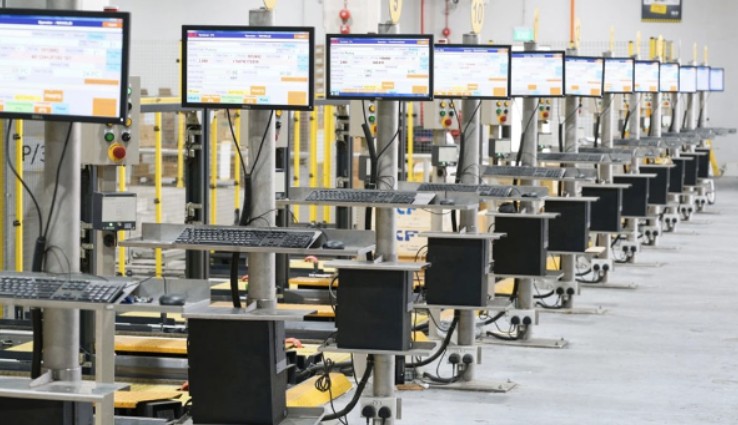
In today’s rapidly evolving industrial landscape, Pneumatic Valve systems and Cobots (collaborative robots) are transforming how factories operate, improving efficiency, safety, and precision across industries. Whether you’re a manufacturer, engineer, or business owner exploring automation, understanding the real-world value of these technologies is crucial before investing.
Introduction to Pneumatic Valves and Cobots
A Pneumatic Valve is a device that controls the flow and pressure of compressed air within a system. It plays a critical role in automation processes, especially in industries such as manufacturing, packaging, and material handling. These valves are widely used due to their reliability, cost-effectiveness, and simplicity.
Cobots, or collaborative robots, are designed to work alongside humans rather than replacing them. Unlike traditional industrial robots, cobots are flexible, easy to program, and safe to operate without extensive guarding systems. They are increasingly used in assembly lines, quality inspection, and repetitive tasks.
Together, Pneumatic Valves and Cobots form a powerful combination in modern automation systems, enabling seamless control and intelligent task execution.
About SLS Bearings (S) Pte Ltd
SLS Bearings (S) Pte Ltd is a well-established industrial solutions provider specializing in high-quality bearings, mechanical components, and automation products. With decades of experience, the company supports various industries with reliable engineering solutions and technical expertise. Their product portfolio includes Pneumatic Valves and automation components that align with modern industrial demands.
You can explore their offerings at https://www.slsbearings.com//.
How Pneumatic Valves Work in Real Applications
Pneumatic Valves operate by controlling compressed air flow to actuators, cylinders, and other devices. They act as switches or regulators that determine how air moves through a system.
For example, in a packaging plant, Pneumatic Valves control air pressure to move conveyor belts, operate clamps, and activate sealing mechanisms. The simplicity of air-based systems reduces electrical complexity and enhances operational safety.
In real-world usage, Pneumatic Valves are preferred in environments where electrical sparks could be hazardous, such as chemical plants or food processing units. Their durability and low maintenance make them a practical choice for continuous operations.
What Makes Cobots Different from Traditional Robots
Cobots are designed with user-friendliness and adaptability in mind. Unlike traditional robots that require complex programming and safety cages, cobots can be easily programmed using intuitive interfaces.
A typical example is a small manufacturing unit where workers assemble components. A cobot can assist by handling repetitive tasks like screw tightening or material placement, allowing human workers to focus on more skilled activities.
Cobots also come with built-in sensors that detect human presence, reducing the risk of accidents. This makes them ideal for businesses that want automation without compromising workplace safety.
Benefits of Using Pneumatic Valves
Pneumatic Valves offer several advantages that make them essential in industrial systems.
One key benefit is their simplicity. Since they rely on compressed air rather than electricity, they are easier to install and maintain. This reduces downtime and operational costs.
Another advantage is reliability. Pneumatic systems are less prone to failure in harsh environments, including high temperatures and dusty conditions.
Cost-effectiveness is also a major factor. Pneumatic Valves are generally more affordable compared to complex electronic control systems, making them accessible for small and medium-sized businesses.
Additionally, they provide quick response times, which is crucial for applications requiring rapid movement and precision.
Advantages of Cobots in Modern Industries
Cobots bring flexibility and efficiency to the workplace.
They are easy to deploy. Businesses do not need extensive infrastructure changes to integrate cobots into existing workflows.
Cobots improve productivity by handling repetitive tasks consistently without fatigue. This leads to better output quality and reduced error rates.
They also enhance worker safety by taking over physically demanding or hazardous tasks.
Another important advantage is scalability. Companies can start with one cobot and gradually expand automation based on their needs.
Challenges and Limitations
While both technologies offer significant benefits, they are not without limitations.
Pneumatic Valves require a compressed air system, which can involve additional setup costs and energy consumption. Air leaks in the system can also reduce efficiency if not properly maintained.
Cobots, on the other hand, may have limitations in handling extremely heavy loads compared to traditional industrial robots. They are best suited for light to medium-duty tasks.
Initial investment in cobots can also be a concern for small businesses, although the long-term benefits often outweigh the costs.
Integration of Pneumatic Valves with Cobots
One of the most powerful aspects of modern automation is the integration of Pneumatic Valves with cobots.
For instance, in an automated assembly line, a cobot can pick and place components while Pneumatic Valves control gripping mechanisms through air-powered actuators. This combination ensures precision and speed.
Another example is in the food industry, where cobots handle packaging while pneumatic systems manage sealing and cutting processes.
SLS Bearings (S) Pte Ltd provides solutions that support such integrations, helping industries achieve efficient and reliable automation setups.
Real-World Use Cases
In automotive manufacturing, Pneumatic Valves are used to control robotic arms and assembly tools, while cobots assist in assembling smaller components.
In electronics production, cobots handle delicate parts with precision, supported by pneumatic systems that ensure accurate positioning.
In logistics and warehousing, cobots are used for sorting and packaging, while Pneumatic Valves control conveyor systems and lifting mechanisms.
These examples highlight how both technologies complement each other in practical scenarios.
Tips for Choosing the Right Solution
When selecting Pneumatic Valves and cobots, it is important to consider your specific application needs.
Start by evaluating the type of tasks you want to automate. Pneumatic systems are ideal for fast, repetitive mechanical actions, while cobots are better suited for flexible and interactive tasks.
Consider the working environment. If the environment is harsh or hazardous, Pneumatic Valves may offer better reliability.
Assess your budget and long-term goals. Investing in scalable solutions ensures that your system can grow with your business.
Consulting with experienced providers like SLS Bearings (S) Pte Ltd can help you make informed decisions and select the right components.
Pros and Cons Overview
Pneumatic Valves offer simplicity, reliability, and cost-effectiveness, but require compressed air systems and regular maintenance to prevent leaks.
Cobots provide flexibility, safety, and ease of use, but may have limitations in heavy-duty applications and require initial investment.
Understanding these trade-offs helps businesses choose the right combination for their operations.
Final Verdict: Are They Worth It?
Pneumatic Valves and cobots are undoubtedly valuable technologies in modern automation. They address different aspects of industrial processes, from precise control to collaborative task execution.
For businesses looking to improve efficiency without overcomplicating their systems, Pneumatic Valves are a reliable choice. Meanwhile, cobots offer a smart way to introduce automation while maintaining human involvement.
When used together, they create a balanced automation ecosystem that enhances productivity, safety, and scalability.
Companies like SLS Bearings (S) Pte Ltd play a crucial role in providing high-quality components and expert guidance, making it easier for industries to adopt these technologies effectively.